

Are Refurbished Phones Worth It in 2026?

Smartphones in 2026 are more capable than ever, but they are also more expensive, more similar year to year, and supported by software for much longer than they used to be. For many users, the traditional upgrade cycle, buying a brand-new phone every one or two years, no longer feels necessary.
This has led to renewed interest in refurbished phones, not as a budget compromise, but as a practical alternative. Still, the question remains: are refurbished phones actually worth it in 2026, or do the trade-offs outweigh the benefits?
What Does “Refurbished Phone” Actually Mean?
The term “refurbished” is often misunderstood. It does not simply mean a phone that has been used before. In most cases, a refurbished phone has gone through a structured process to ensure it works correctly, is secure to use, and meets specific functional standards before being resold.
Refurbished vs Used Phones: What’s the Difference?
Used phones are typically sold directly by previous owners, often without verification of internal condition, battery health, or long-term reliability. These devices may work fine, but the buyer assumes most of the risk.
Refurbished phones, by contrast, are evaluated before resale. The focus is not on making the phone look brand new, but on confirming that it functions as intended. This distinction is important, particularly for buyers who want predictability rather than a gamble.
How Refurbished Phones Are Tested and Reset
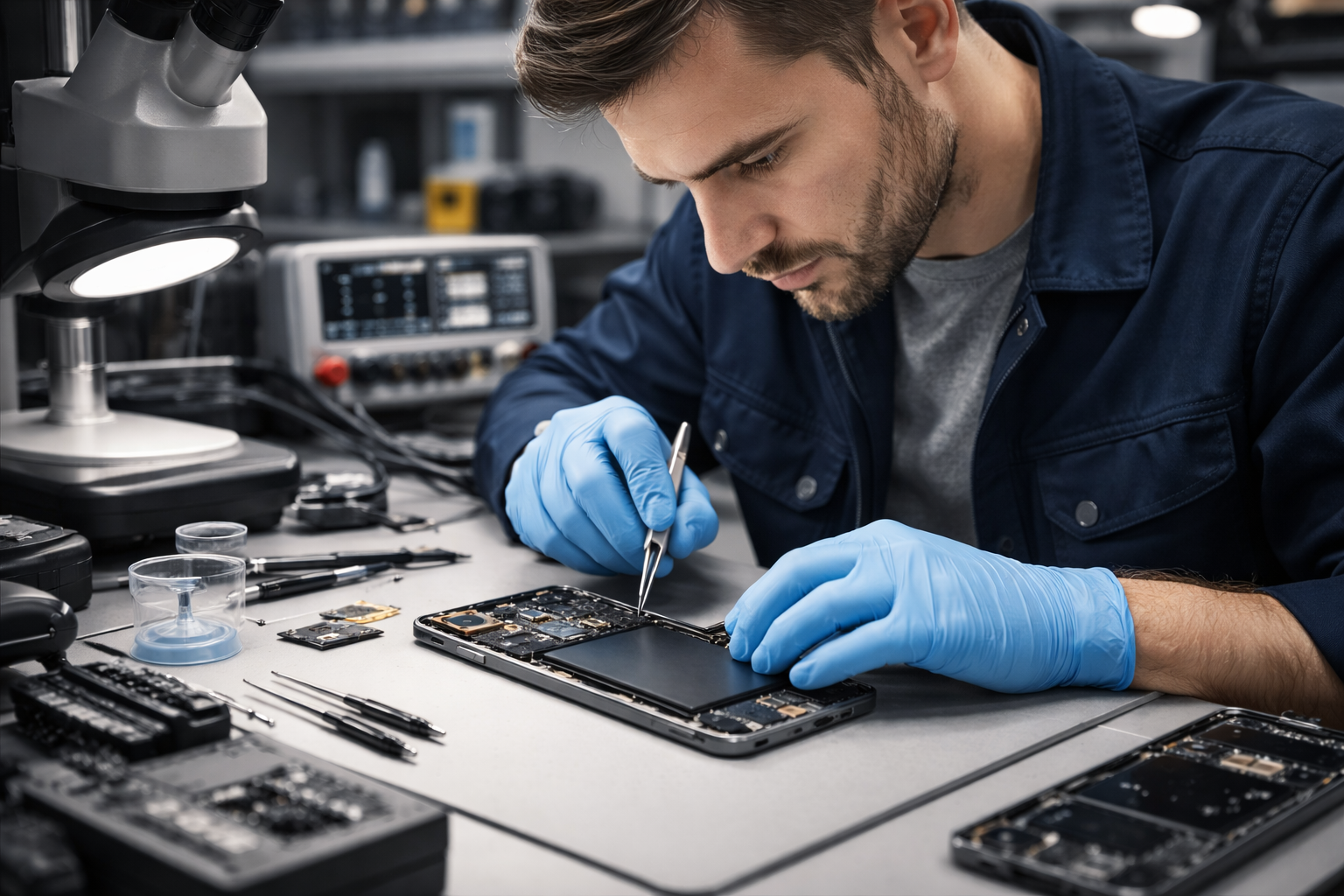
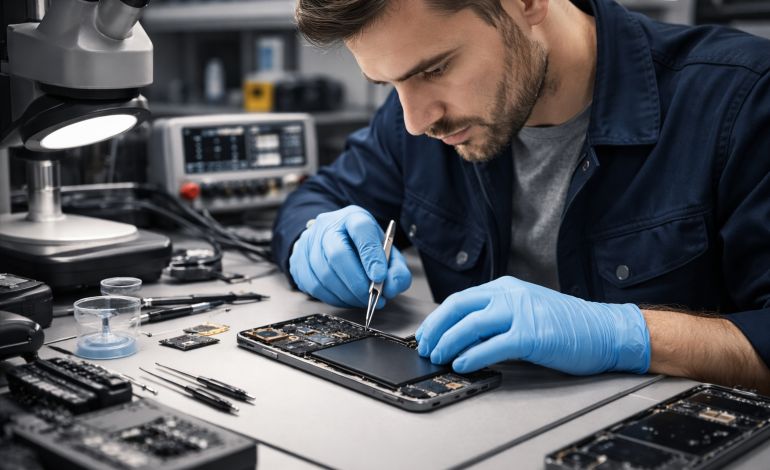
While processes vary, refurbishment usually involves hardware testing across core components such as the display, speakers, microphones, cameras, buttons, charging ports, and wireless connectivity. Any device that fails these checks is either repaired or excluded from resale.
Software is also reset to factory settings, ensuring the phone boots cleanly and operates on a stable version of its operating system.
Data Security and Factory Reset Explained
One of the key concerns with second-hand devices is data privacy. A proper refurbishment process includes full data erasure, removing previous user information and restoring default system settings. This reduces the risk of leftover accounts, files, or access permissions that can occur with informal second-hand purchases.
Why More People Are Considering Refurbished Phones in 2026
The growing interest in refurbished phones isn’t accidental. It reflects broader changes in how smartphones are designed, supported, and priced.
Rising Smartphone Prices
Flagship phones have steadily moved into higher price brackets, often justified by advanced features that many users rarely use. As prices rise, buyers are increasingly questioning whether they need the latest model or simply a reliable device that performs well.
Slower Year-to-Year Hardware Improvements
In earlier smartphone eras, new models brought obvious leaps in speed, display quality, or camera performance. Today, improvements tend to be incremental. For everyday tasks such as messaging, navigation, social media, and streaming, phones released several years ago still perform comfortably.
Longer Android and iOS Software Support
Both Android manufacturers and Apple now support devices with operating system and security updates for longer periods. This means older models remain secure and compatible with modern apps far longer than they once did, extending their practical lifespan.
Environmental Impact of Phone Upgrades
Electronic waste is an increasing concern. Extending the life of existing devices through refurbishment reduces demand for new manufacturing and lowers the volume of discarded electronics. For some users, this environmental factor is just as important as cost.
New vs Refurbished Phones: What’s the Real Difference?
The difference between new and refurbished phones is often more nuanced than it appears on paper.
Performance in Everyday Use
For most users, performance differences are minimal. Tasks such as browsing, media consumption, messaging, and productivity apps place relatively modest demands on modern processors. A refurbished phone from a recent generation can feel just as responsive as a new mid-range device.
Battery Health and Hardware Wear
Battery condition is one of the most meaningful differences. While new phones start with full battery capacity, refurbished phones may have batteries that have experienced some wear. That said, battery performance depends heavily on previous usage and testing standards rather than age alone.
Software Updates and Security Patches
As long as a refurbished phone is still within its supported update window, it receives operating system updates and security patches in the same way as a new device. This is particularly important for privacy, app compatibility, and long-term usability.
Camera Quality and Feature Gaps
Camera improvements tend to be evolutionary rather than revolutionary. Unless users rely on very specific features such as advanced computational photography or new sensor hardware, many refurbished phones still deliver strong photo and video results.
How Long Do Refurbished Phones Last?
Longevity is one of the most common concerns around refurbished devices, but modern smartphones are generally built to last longer than most people expect.
Average Lifespan of Modern Smartphones
With proper care, many smartphones remain functional for four to six years after their initial release. Hardware durability has improved significantly, and most failures today are related to batteries rather than core components.
Role of Android and iOS Updates
Software support plays a major role in extending a phone’s useful life. Security updates protect against vulnerabilities, while operating system updates ensure compatibility with newer apps and services.
Factors That Affect Long-Term Reliability
Battery condition, storage capacity, and thermal management all influence longevity. A refurbished phone that has been well-maintained and properly tested can often outlast a poorly treated new device.
Are Refurbished Phones Safe to Buy?
Safety concerns usually stem from uncertainty rather than inherent risk.
Data Wiping and Privacy Protection
When refurbished correctly, phones are wiped of previous user data and restored to factory settings. This significantly reduces privacy risks compared to informal second-hand purchases.
Quality Checks and Testing Standards
Structured testing helps identify faults early. This doesn’t guarantee perfection, but it does reduce the likelihood of major issues compared to unverified used devices.
Warranty and Return Basics
Many refurbished phones include some form of warranty or return coverage. While terms vary, this added layer of protection is often absent in private sales.
Who Should Consider a Refurbished Phone in 2026?
Refurbished phones suit a wide range of users, particularly those who prioritise practicality over novelty.
Users Upgrading From Older Devices
For users coming from phones several generations old, the improvement in speed, camera quality, and display technology can be significant even with refurbished models.
Students and Everyday Users
Most daily smartphone tasks do not require the latest hardware. Refurbished phones often meet these needs comfortably.
Secondary or Work Phones
Refurbished devices are commonly used as backup phones or dedicated work devices, where reliability matters more than having the newest model.
Environmentally Conscious Buyers
Extending device lifespans aligns with efforts to reduce electronic waste and resource consumption.
When Buying a New Phone Still Makes Sense
Despite the advantages of refurbished phones, buying new is sometimes the better choice.
Need for the Latest Hardware Features
Users who rely on cutting-edge features such as advanced AI processing, top-tier gaming performance, or specialised camera capabilities may benefit from current-generation devices.
Longer Update Runway
Buying new typically provides the longest possible period of software support, which may matter for users planning to keep a phone for many years.
Niche Use Cases
Professional photography, content creation, or high-end mobile gaming may justify the latest hardware.
What to Check Before Buying a Refurbished Phone
A few considerations can help avoid disappointment.
Battery Condition and Health
Battery performance has the greatest impact on daily usability. Understanding expected battery behaviour is essential.
Software Version and Update Support
Confirming ongoing update eligibility helps ensure long-term security and compatibility.
Network and Carrier Compatibility
Checking network support prevents connectivity issues, especially when buying older models.
Warranty Coverage and Return Policy
Clear policies provide peace of mind if the device doesn’t meet expectations.
Final Verdict: Are Refurbished Phones Worth It in 2026?
For many users, refurbished phones make sense in 2026 not because they are cheaper, but because modern smartphones last longer, improve more slowly, and receive extended software support. While they are not the best choice for every use case, refurbished devices have become a practical, mainstream option rather than a compromise.